



With so many different pathways to home ownership, buying a property can often feel overwhelming. For those looking to build, the question of whether to build from scratch or buy a turnkey home is a common dilemma.
While it can be easy to focus on the purchase price, it’s essential to consider other factors, including financing options, timelines, hidden costs and the level of decision-making involved in building. This guide breaks down the key differences between building from scratch and purchasing a turnkey home to help you make the best decision based on your circumstances.
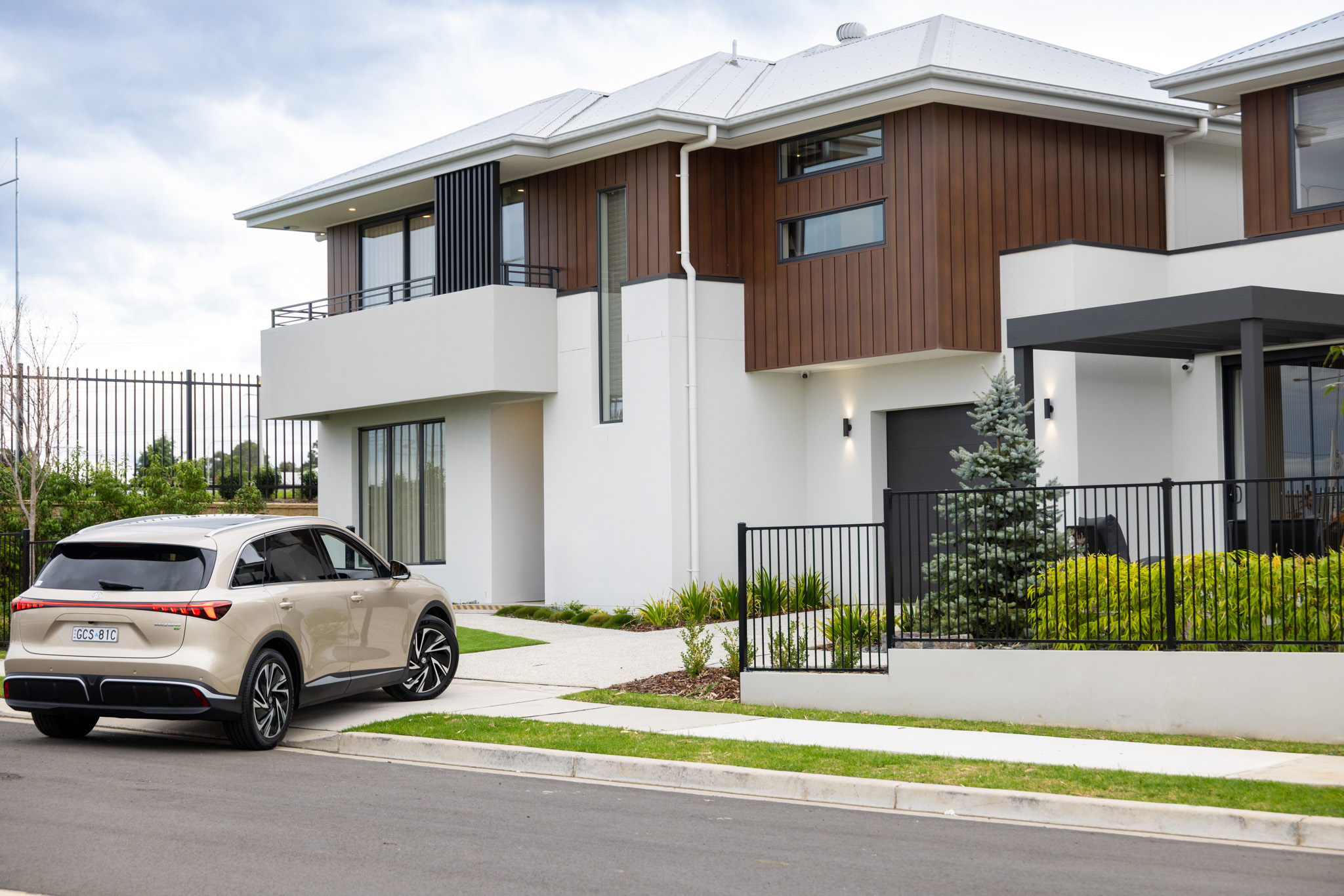
Turnkey Homes Explained
What is a turnkey home?
The term “turnkey” refers to a new build that’s fully completed and ready to move into on settlement. You turn the key, and it’s ready to live in or rent out. As a buyer, you don’t have to worry about organising trades, negotiating with contractors, or managing the finishing works. That’s all taken care of for you by your builder.
What’s included in a turnkey home?
While the specifics can vary depending on your builder and contract, turnkey homes typically include everything you need to live comfortably from the get-go, including:
• Completed home
• Basic landscaping
• Driveway
• Fencing
• Letterbox
• Flooring
• Window coverings
• Fixtures and fittings
• Kitchen appliances
• Completed bathrooms
• Energy-efficient inclusions that meet current standards
If you’re considering a turnkey home, be sure to check the inclusions to make sure you’re happy with what’s covered by your builder.
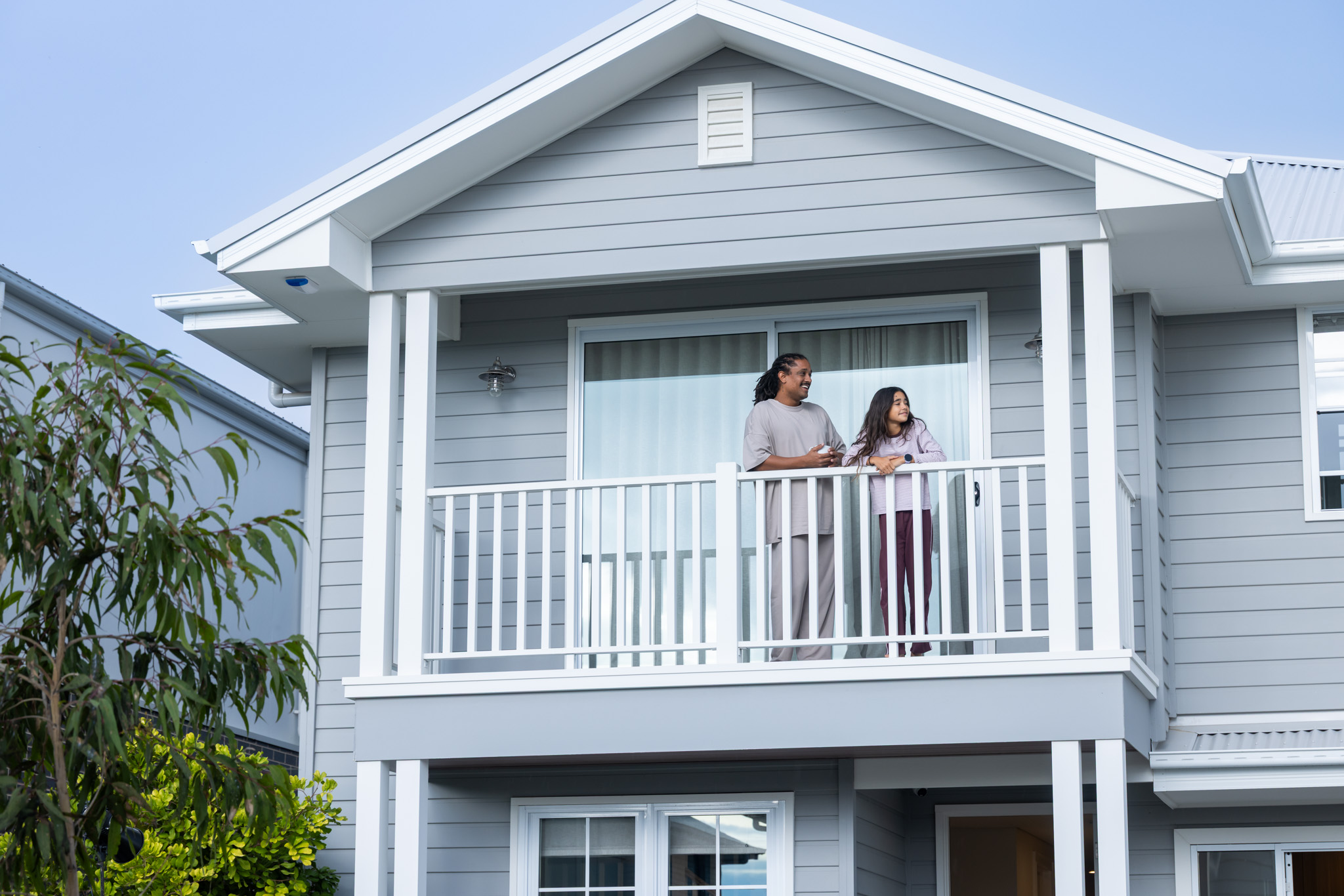
Turnkey vs Spec Home vs Custom Build
When it comes to new builds, turnkey homes aren’t your only option. A spec (speculative) home or custom build may be more suited to your needs:
• Spec homes are brand-new builds that are completed by a developer before a buyer is found.
• Custom builds are completely tailored to your lifestyle, budget, and block to create a unique residence.
Here’s how they compare:
Turnkey home
- • Finished before settlement
- • Minimal decisions
- • Fixed inclusions
- • Move-in ready
Spec home
- • The builder chooses the design and finishes
- • May already be completed or nearing completion
- • Usually move-in ready but with limited customisation
Custom build
- • Buyer selects floor plan and finishes
- • Greater flexibility
- • Longer build process
- • More decisions throughout
Carmel One’s limited release of just eight brand-new 5-bedroom homes is currently under construction. Once complete, these turnkey homes will be move-in ready, meaning there’s nothing left to organise or coordinate once you have the keys.
How is a turnkey home different from a standard build?
One of the main differences between turnkey homes and standard builds lies in how each project is managed.
Turnkey homes are often described as a single purchase journey. They come packaged with a fixed price and a list of inclusions. The builder manages the building process, so you don’t have to worry about coordinating trades. And with fewer design decisions, there’s often less admin for you as the buyer.
With a standard build, it’s often up to you to manage the process from start to finish. This involves making multiple selections, navigating ongoing approvals, and managing construction milestones.
Who are turnkey homes best suited to?
Turnkey homes can suit a variety of buyer types, including:
• First-home buyers wanting a simpler purchase
• Growing families needing certainty
• Busy professionals
• Investors wanting a rental-ready property
• Buyers using available government support (where eligible)
Is a turnkey home right for you?
If you’re in the process of purchasing or building a new home, you might be wondering if a turnkey home is the right fit for you. You may find a turnkey home the best option if you value:
• Budget certainty
• Faster move-in
• Simpler finance
• Lower administrative burden
• Less involvement during construction
Alternatively, custom builds often appeal to those who:
• Want complete design flexibility
• Enjoy making detailed design decisions
• Are comfortable managing a longer process
At the end of the day, the right option for you depends on your individual circumstances and your priorities.
The real cost comparison: Fixed price vs building from scratch
When it comes to building, the advertised cost is only part of the picture. Many turnkey homes have a fixed-price contract that includes most essentials, so you can move in as soon as you get the keys. With fewer unexpected expenses, there’s often a lower risk of budget blowouts that come with new builds.
The cost of a traditional build can vary significantly based on the builder and trades you engage, and it’s up to you to do your research and find solutions that fit your budget. You might need to cover additional expenses, such as:
• Landscaping
• Driveway
• Fencing
• Window furnishings
• Site costs
• Upgrades
• Variations
• Council-related expenses depending on the project
It’s for this reason that it’s important to compare the total move-in cost, rather than just the base build price, if you’re tossing up between a fixed-price turnkey home and building from scratch.
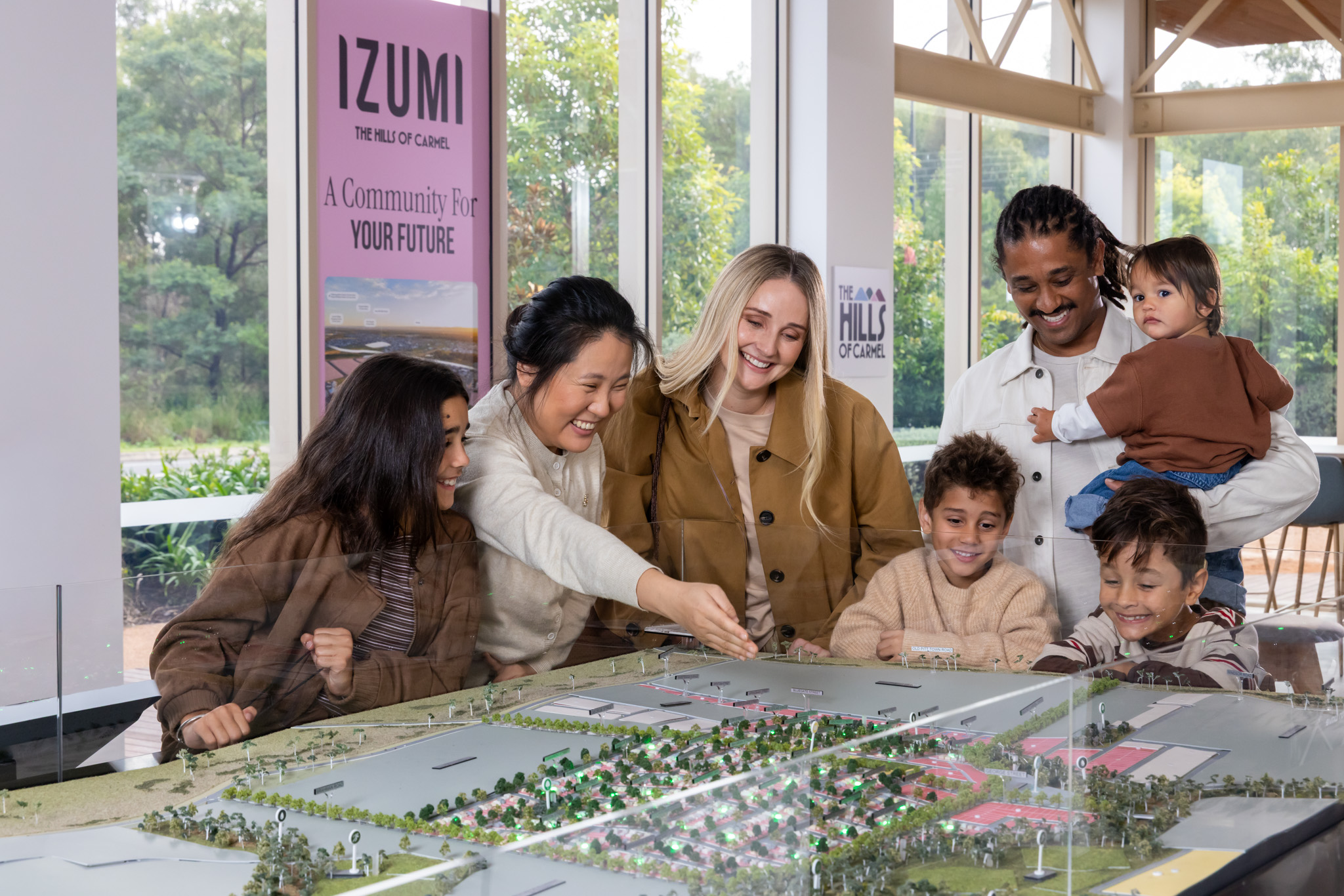
Timeline Comparison:
When Can You Actually Move In?
Besides cost, the timelines between turnkey homes and traditional builds can vary significantly.
One of the main features of turnkey homes is that construction is completed before settlement, which often leads to a faster path to moving in and less uncertainty about timing.
When building from scratch, construction is often completed in stages that typically include:
• Land purchase
• Design
• Finance approval
• Selections
• Approvals
• Construction
• Practical completion
Ultimately, the final timeline for both turnkey homes and standard builds often depends on approvals, weather, and construction schedules. It’s not uncommon for the timeline to change as construction progresses.
Finance comparison: Construction loan vs standard home loan
There are often differences in how you finance your property based on whether you opt for a turnkey home or decide to build from scratch.
With most turnkey homes coming with a fixed price, you can often use a standard home loan to purchase the property. This conventional home loan process usually involves simpler administration and a single settlement upon completion of the project.
Most traditional builds require a specific construction loan that provides staged drawdowns and predetermined progress payments that align with the construction phases.
To better understand the financing options available to you, we recommend chatting with a mortgage broker or financial advisor for more personalised advice.
Decision-making process: Which option is easier to manage?
While it can be tempting to focus on the final cost, for many buyers, the level of decision-making that comes with turnkey homes versus building from scratch often plays a key role in their final decision.
Building from scratch offers a high level of control, but you’re also responsible for managing:
• Hundreds of decisions
• Variation requests
• Delays
• Multiple stakeholders
• Ongoing communication with the builder
• Decision fatigue
Some buyers find turnkey homes more manageable compared to traditional builds as they typically offer:
• Curated inclusions
• Fewer decisions
• Less coordination
• Greater confidence in the final outcome
• Simpler move-in planning
Situated in The Hills Shire of Northwest Sydney, The Hills of Carmel is Box Hill’s premier masterplanned community, offering a vibrant and connected lifestyle.
Carmel One is an incredible example of a premium turnkey community. Featuring a curated release of only 8 homes, each Carmel One property includes:
Move-in ready street appeal from day one
Professionally landscaped front and rear gardens
Compliant lapped and capped fencing included
Finished driveway ready on completion
Thoughtfully curated premium interior inclusions
Designer-selected fixtures and finishes throughout
Energy-efficient features designed to meet today’s standards
High-quality, durable finishes that look as good in real life as they do in the render
Don’t miss out on the limited release of turnkey homes at Carmel One
When it comes to new builds, the cheapest option doesn’t always offer the best value. As a buyer, it’s essential to consider the whole buying journey when comparing different building options. That includes cost certainty, timeline, finance, and the management process, alongside purchase price.